Tools
Injection Moulding Defect Library
Use this library to understand common injection moulding defects and the design, tooling, material and process factors that may contribute to them. Each guide provides practical checks to support discussions between product designers, engineers, quality teams and moulding partners.
Injection moulding defects rarely have a single cause. Changing one variable can also affect other aspects of part quality. These guides are for preliminary investigation and do not replace an engineering review of the part, mould, material and production process.
 Surface and appearance
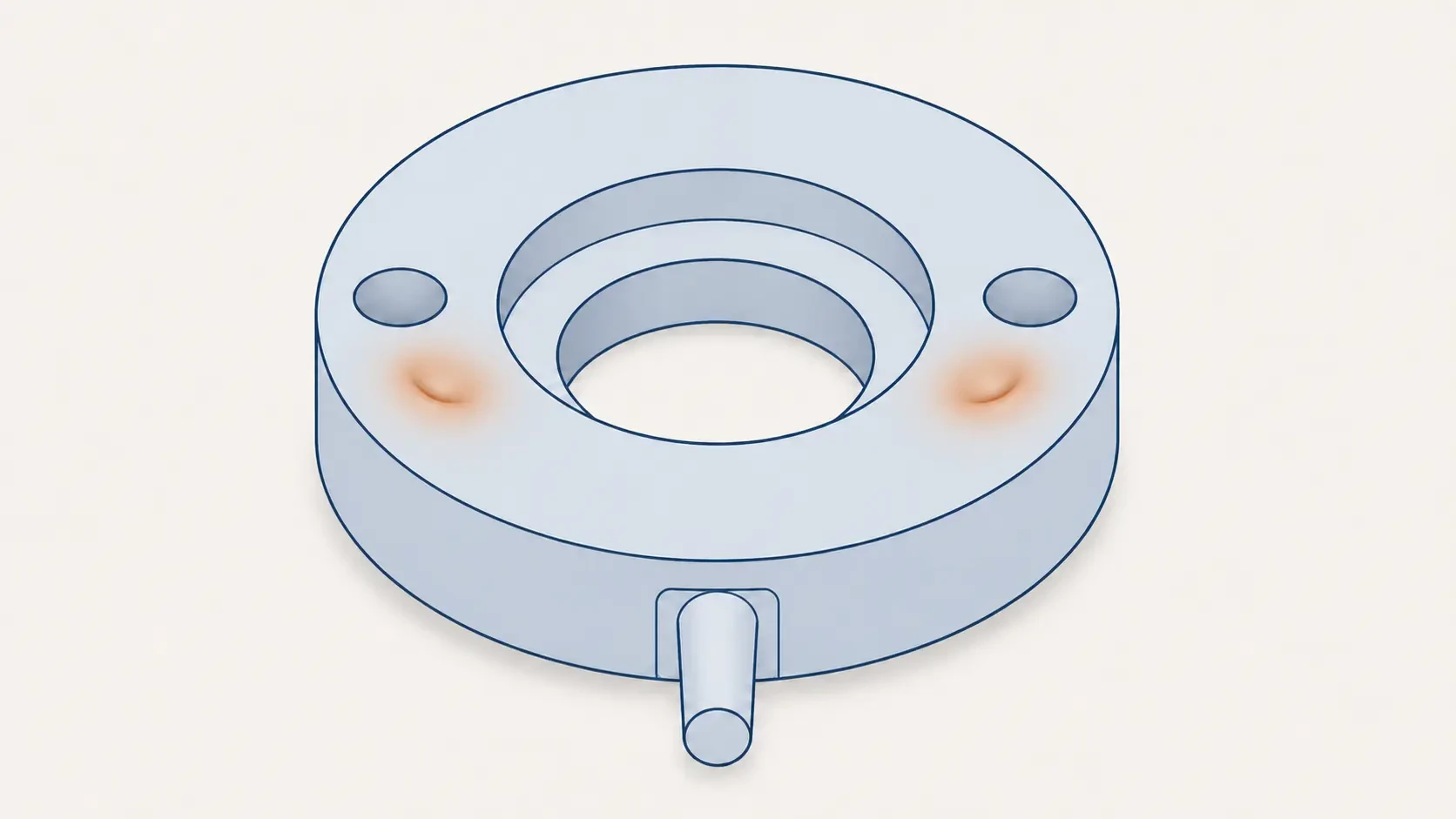
Sink Marks
Also known as: sinks, surface depressions
Sink marks are shallow depressions or indentations on the outer surface of an injection-moulded part. They form when the outer skin solidifies before the core has fully packed, and the core contracts inward as it cools, pulling the surface with it. Sink marks may affect appearance and, in some cases, dimensional accuracy. They do not always indicate a structural problem, but their significance depends on the part's function and the location of the defect.
Read guide →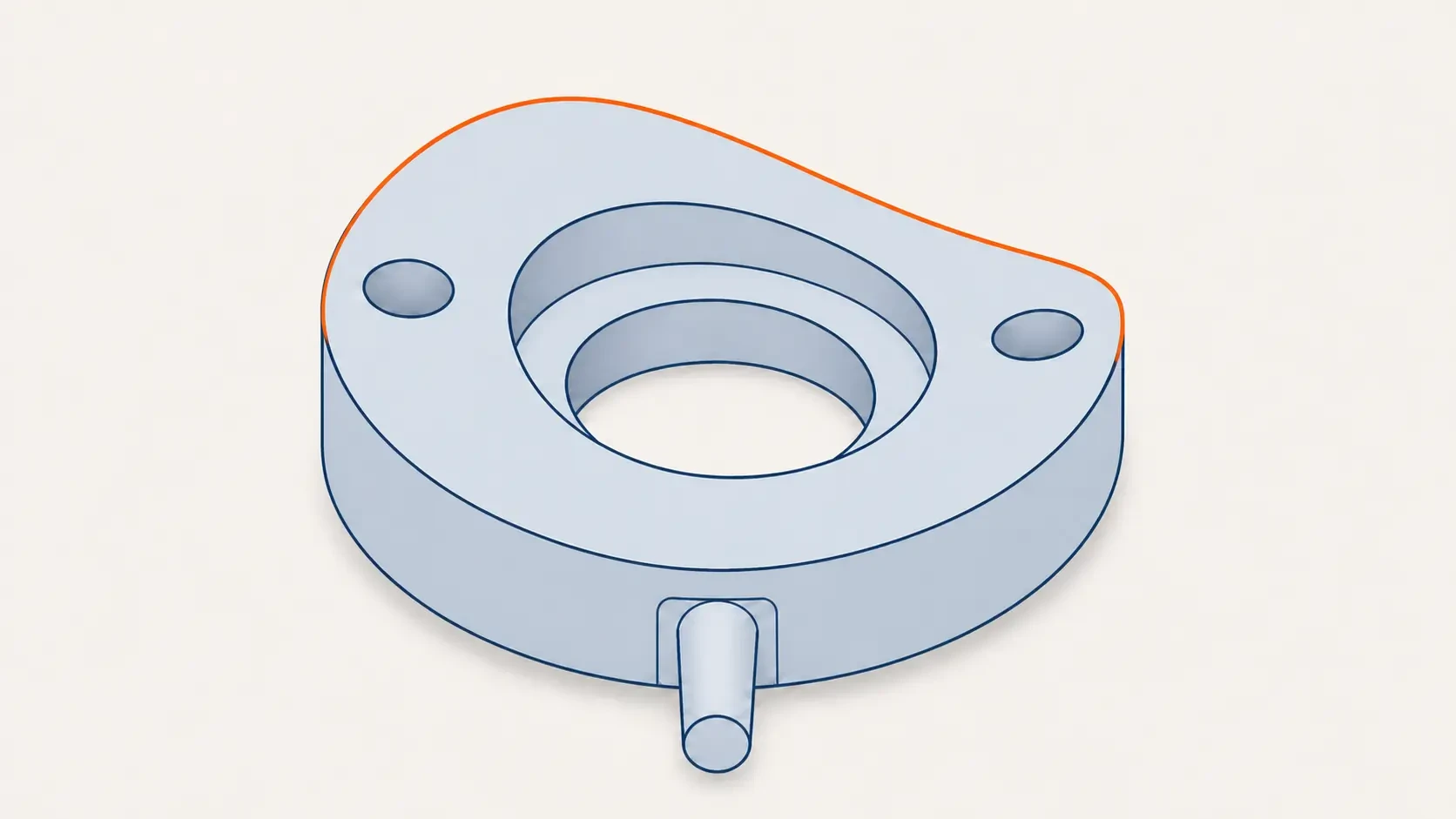 Dimensional and structural
Warpage
Also known as: warp, distortion, bowing, twisting
Warpage is a dimensional distortion in which an injection-moulded part deviates from its intended shape after ejection. It results from differential shrinkage within the part — areas that shrink at different rates or in different directions create internal stresses that cause the part to bow, twist or curve. Warpage can affect assembly fit, function and appearance, and its severity depends on part geometry, material, mould design and processing conditions.
Read guide →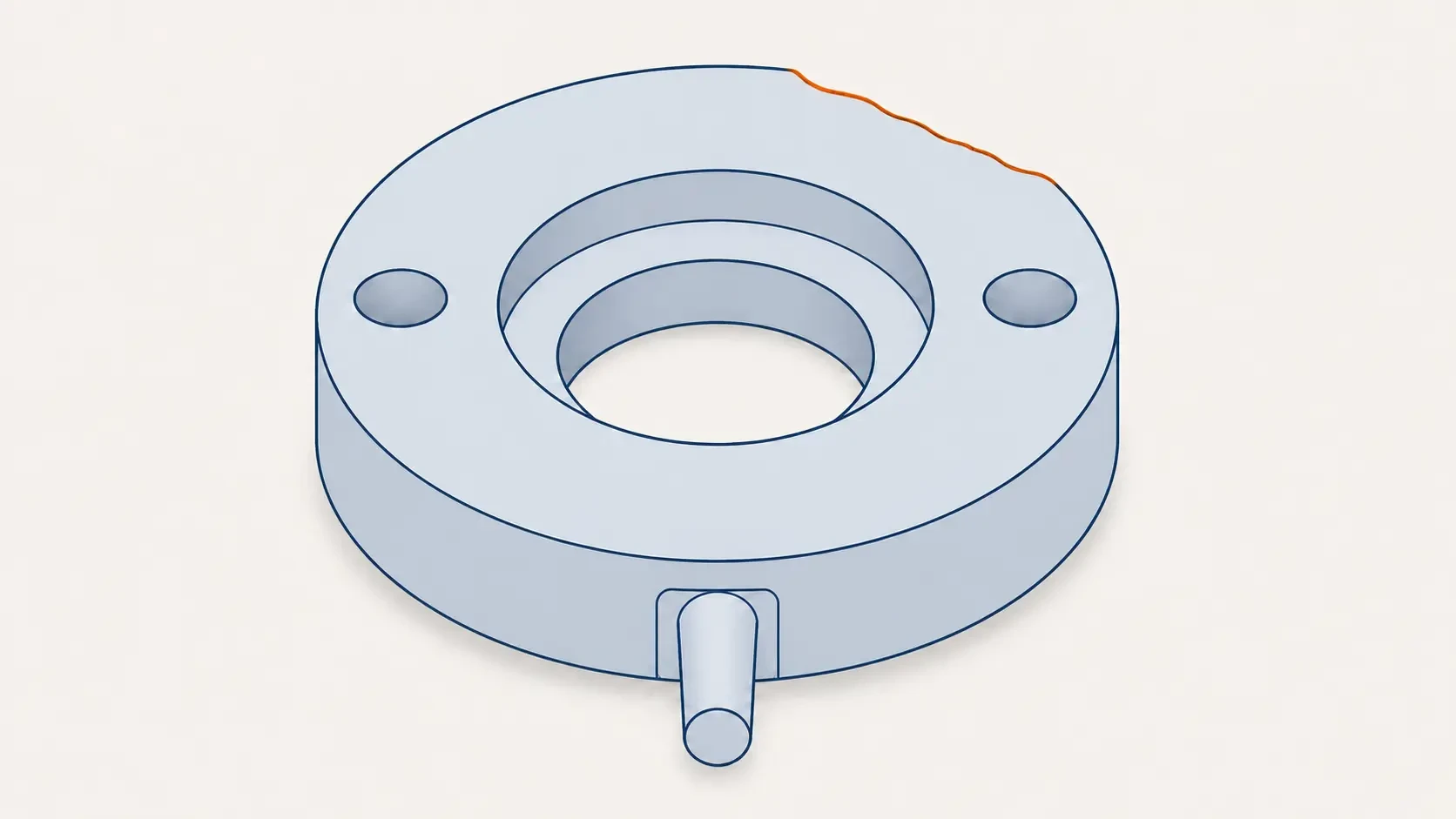 Filling and flow
Short Shots
Also known as: short shot, incomplete fill, non-fill
A short shot is an incomplete injection-moulded part where the plastic melt did not fill the entire cavity before solidifying. The result is a part with missing sections, typically at the ends of flow paths or in thin areas. Short shots always render the part non-conforming and are typically detected at first inspection. They may result from insufficient material, restricted flow, inadequate venting or process conditions that cause premature solidification.
Read guide →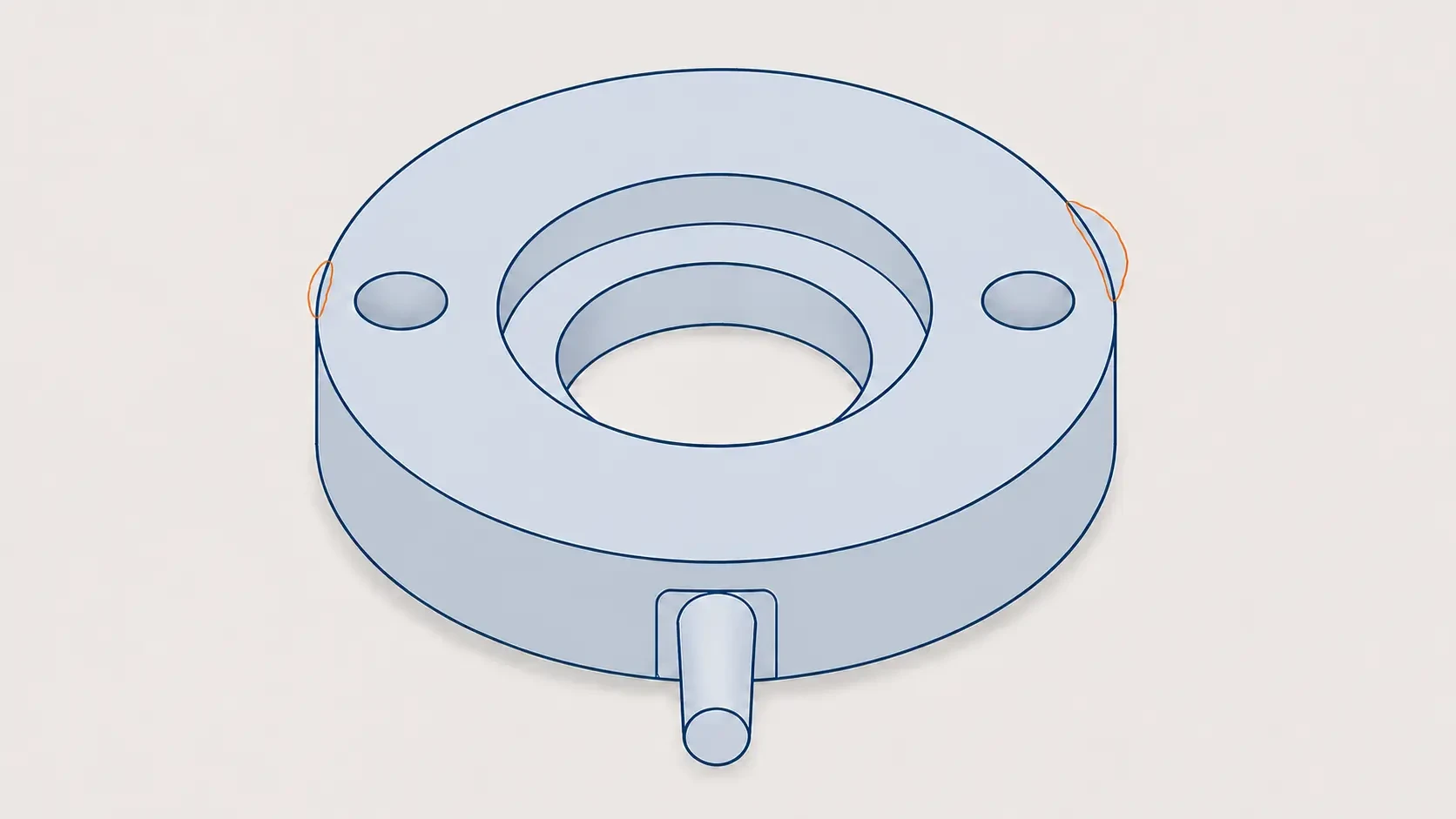 Surface and appearance
Flash
Also known as: flashing, fins, burrs
Flash is a thin layer of excess plastic that forms outside the intended part boundary, typically along the parting line, at ejector-pin locations or at other mould interfaces. It occurs when plastic melt is forced into gaps in the mould under injection or clamping pressure. Flash may affect appearance, dimensional accuracy, assembly fit and, in some cases, function or safety if it is in a critical area.
Read guide →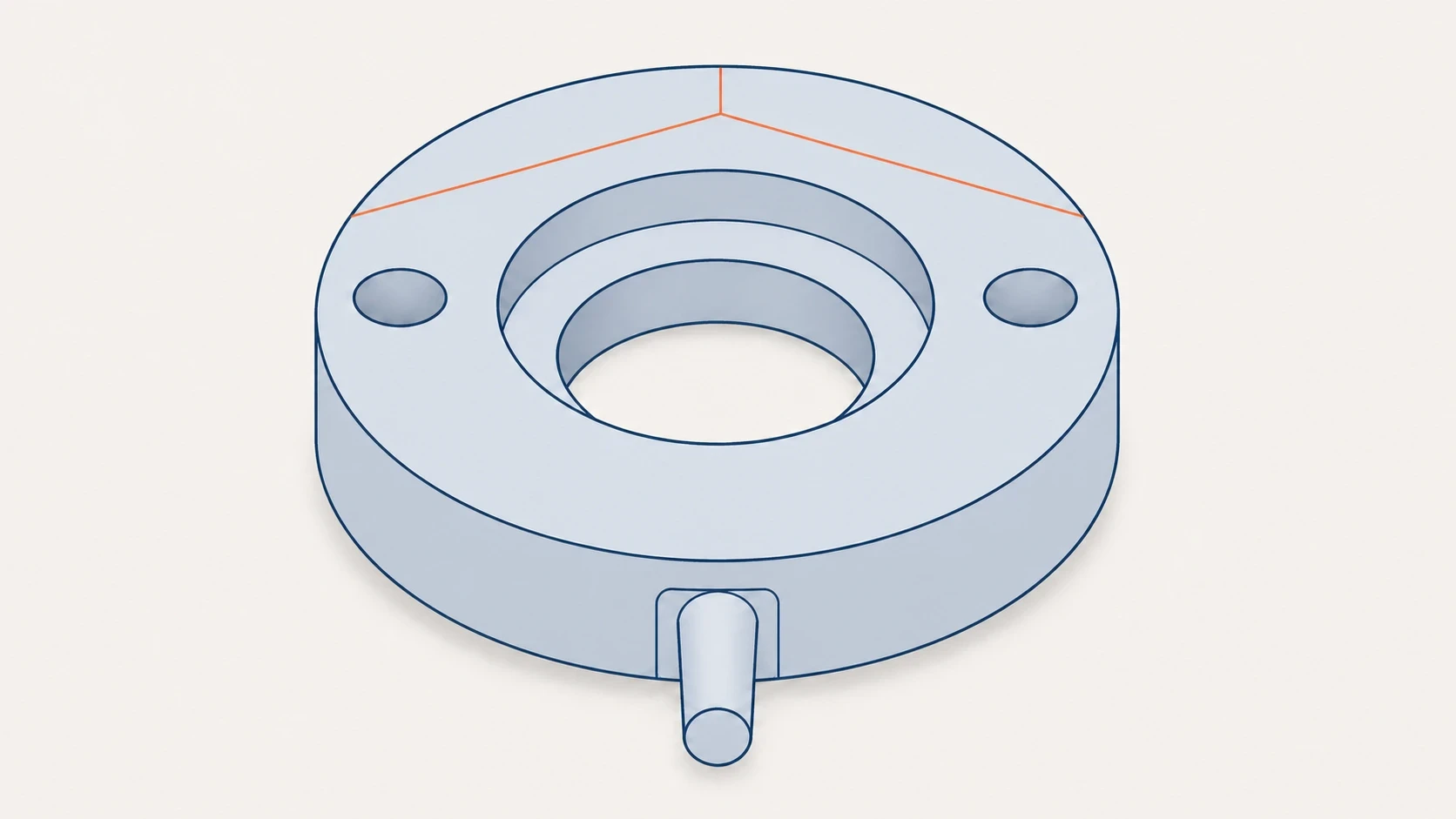 Filling and flow
Weld Lines
Also known as: weld lines, knit lines, meld lines, flow fronts
Weld lines form where two or more melt fronts meet and rejoin during cavity filling. They occur downstream of holes, inserts or multiple gates, and at points where divided flow paths converge. Weld lines may be visible as a line or groove on the part surface and may represent a localised reduction in mechanical strength, depending on the material, the meeting angle of the flow fronts and the processing conditions at the point of convergence.
Read guide →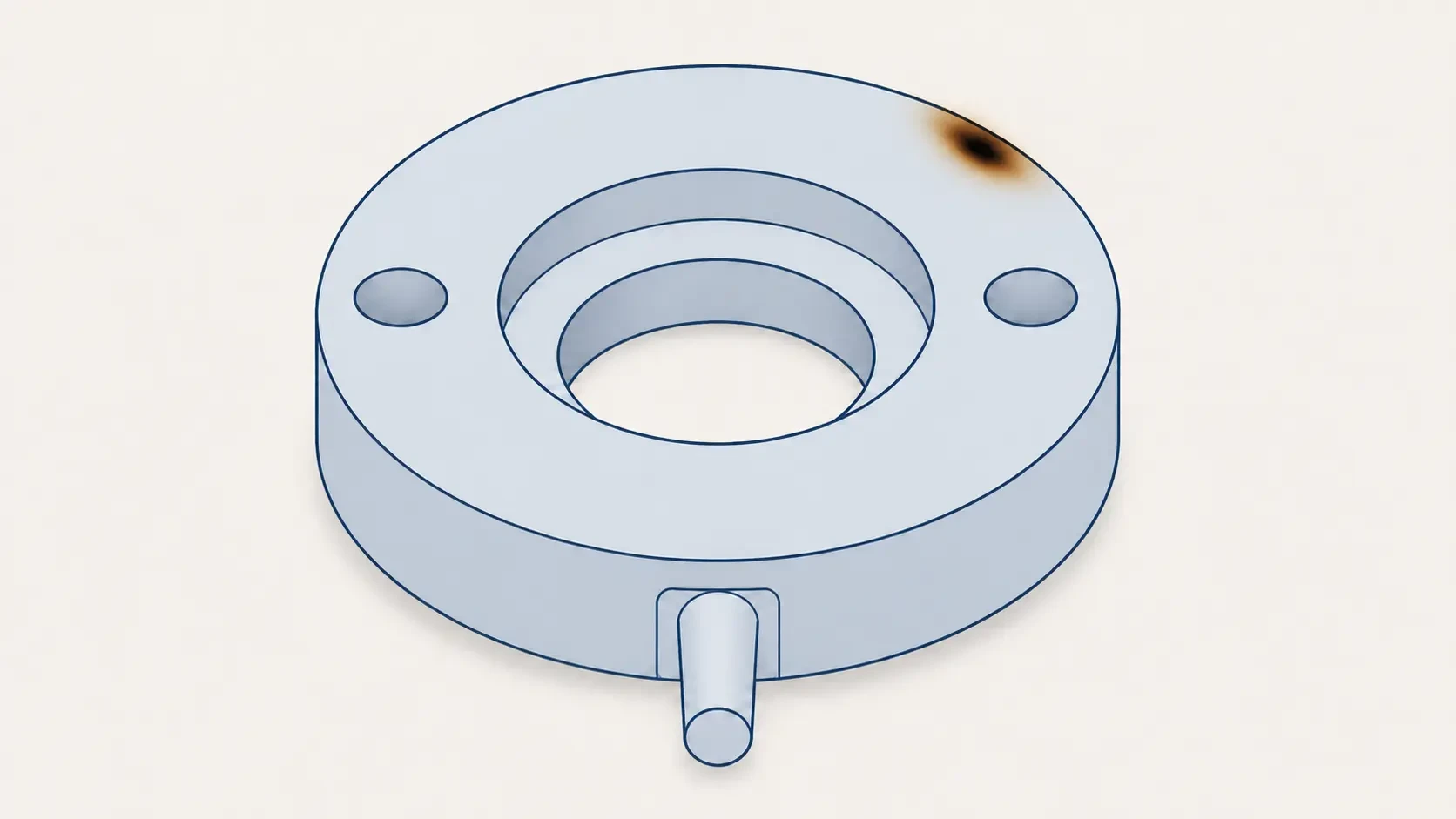 Surface and appearance
Burn Marks
Also known as: burning, diesel effect, gas burns, black marks, brown marks
Burn marks are discoloured areas — typically brown, black or dark — on the surface of an injection-moulded part. They are most commonly caused by trapped air or gas that is compressed and heated by the advancing melt front (the diesel effect), or by thermal degradation of the plastic due to excessive melt temperature or residence time. Burn marks may affect appearance and, in cases of significant degradation, may indicate a reduction in material properties in the affected area.
Read guide →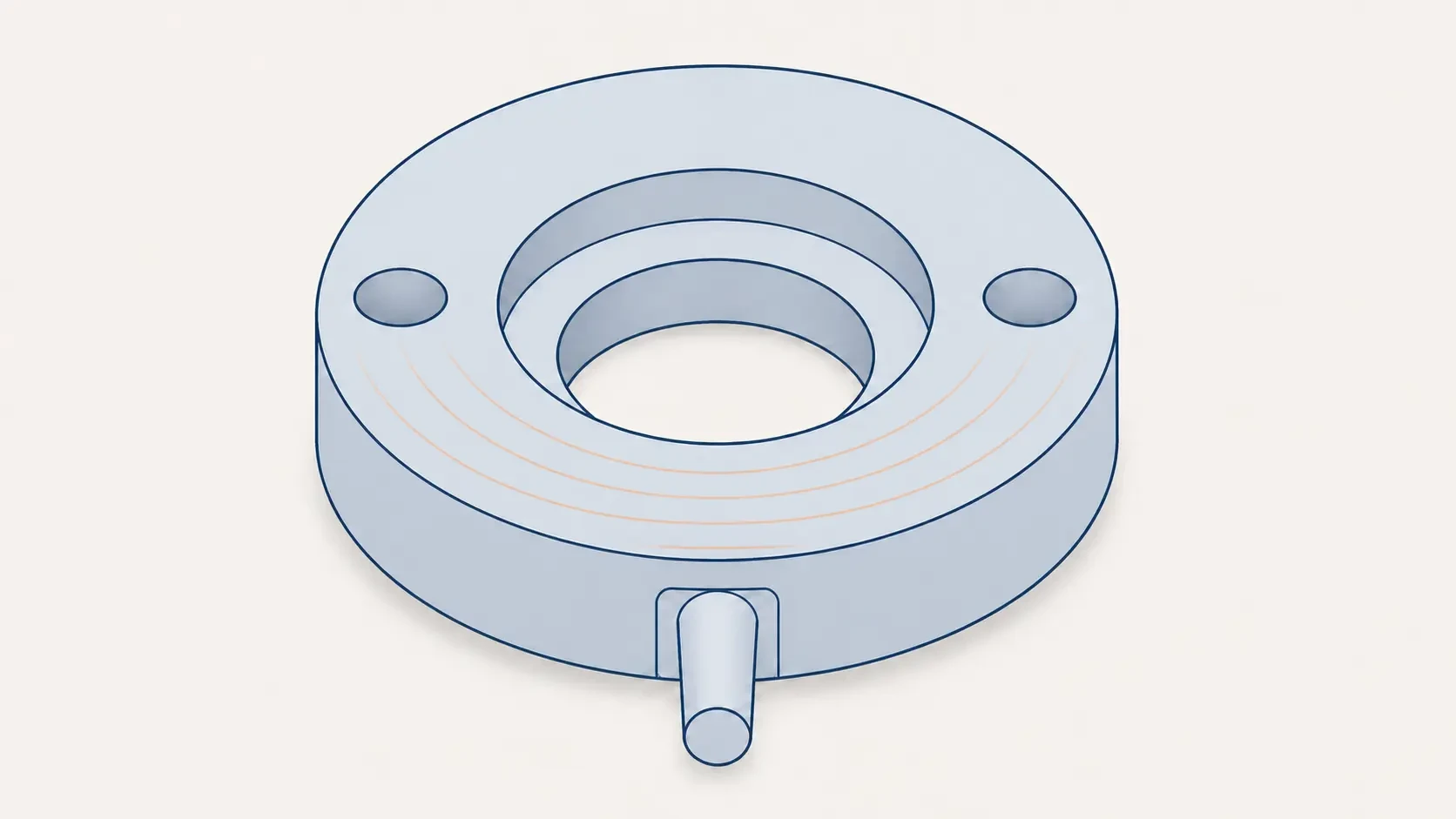 Filling and flow
Flow Marks
Also known as: flow lines, ripples, tiger stripes, wave marks
Flow marks are surface irregularities — typically wavy, rippled or banded patterns — that reflect the flow behaviour of the melt as it filled the cavity. They are most commonly a cosmetic defect and do not necessarily indicate a structural problem, but they may be unacceptable on visible surfaces. Flow marks near the gate often result from the melt front hesitating or chilling before the cavity is fully pressurised.
Read guide →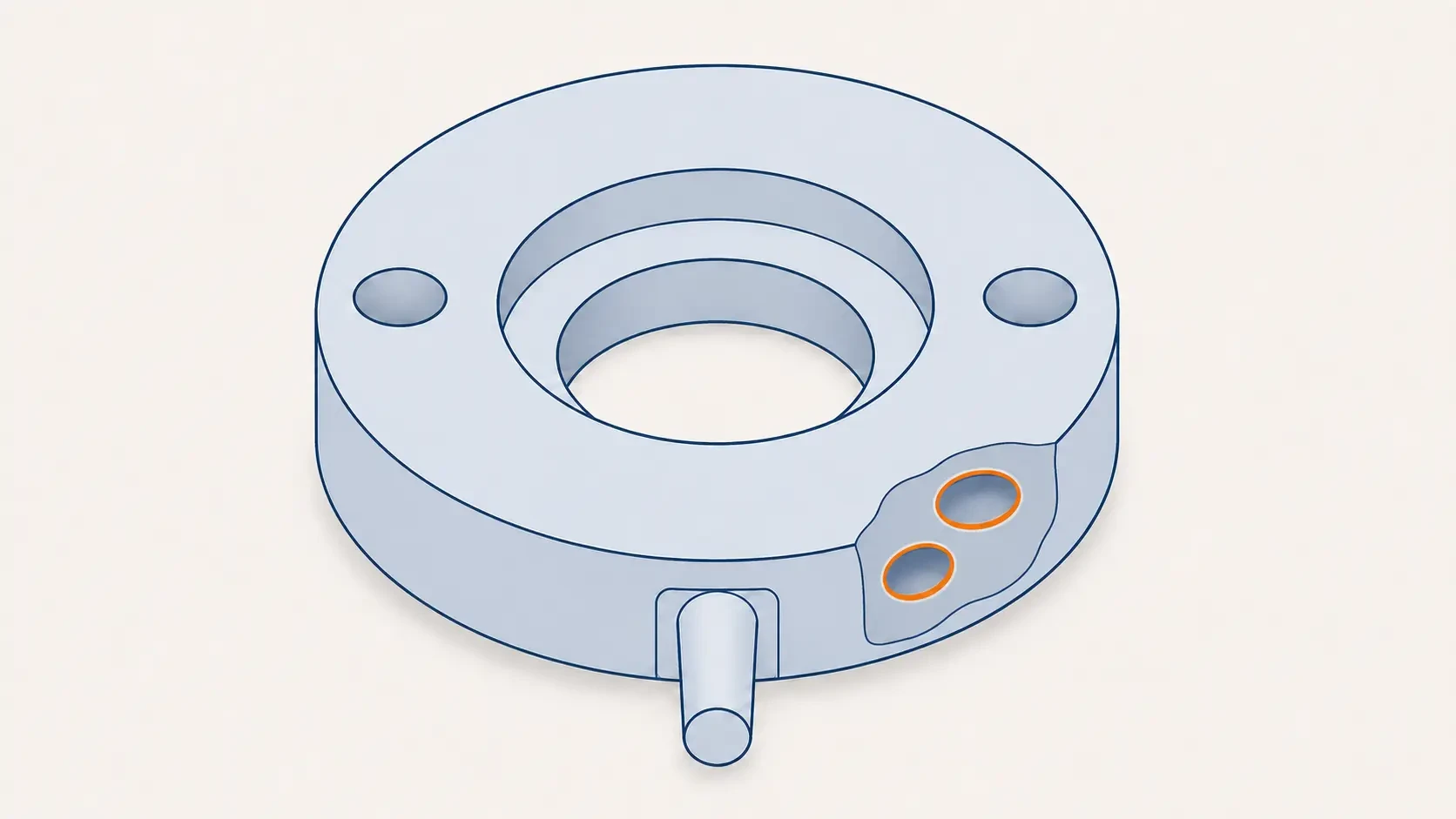 Dimensional and structural
Voids
Also known as: internal voids, vacuum voids, bubbles, internal shrinkage
Voids are internal cavities or bubbles within an injection-moulded part, typically forming in thick sections where the outer skin solidifies before the core has fully packed. As the core cools and contracts, insufficient material is available to compensate, and the internal material pulls away from itself, forming a void. Unlike sink marks, which are visible on the surface, voids are internal and may only be detected by sectioning, X-ray or other inspection methods. Voids may affect structural performance, dimensional stability and, in transparent parts, appearance.
Read guide →Need Help Reviewing a Moulding Issue?
Share your part information, material, drawings and available production observations with our team for an initial discussion.